At Plunge Pools Perth, our team of top plunge pool experts helps homeowners choose, plan, and install precast pools that work long-term in Perth’s climate and function as a sustainable pool solution for smaller backyards. We focus on correct site assessment, safe installation, and full compliance not shortcuts that cause problems later.
This ultimate guide explains what a precast plunge pool is, how it compares to fibreglass and custom concrete pools offer different advantages, and which precast plunge pool sizes work best in small Perth backyards. We cover manufacturing, delivery, installation, costs, maintenance, and practical design options. By the end, you will know what to check before installation, what risks to avoid, and when to seek professional advice.
What Is a Precast Plunge Pool?
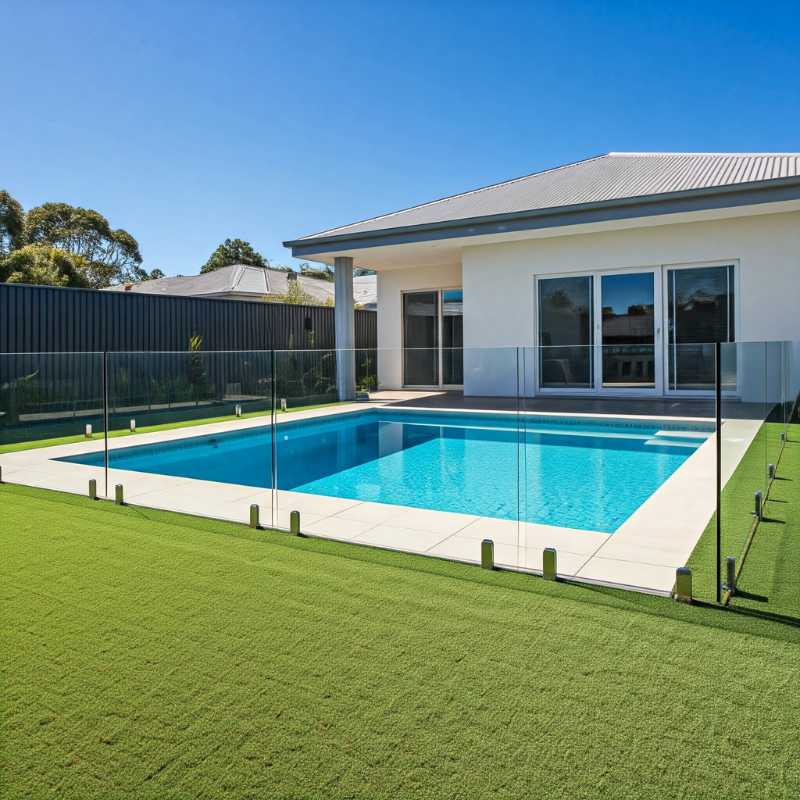
A precast plunge pool is a ready-made swimming pool manufactured as a single structure and installed on-site as one engineered unit. The plunge pool shell is built in a factory, not constructed piece by piece in your yard.
Instead of being poured on-site, precast pools are made under controlled conditions where reinforcement, curing, and waterproofing are carefully managed. This allows the pool to arrive ready to install and capable of holding water immediately after placement.
In Perth, precast plunge pools are usually made from:
- Concrete: heavy, rigid, and very stable
- Fibreglass: lighter and faster to install, but more dependent on perfect ground support
Precast plunge pools are not DIY kits or water tanks. They are engineered to handle:
- Water pressure
- Soil pressure
- Ground movement
- Long-term use
Once a pool holds more than 300 mm of water, it is legally classed as a regulated swimming pool. This means fencing, approvals, and inspections are required no matter how small the pool is.
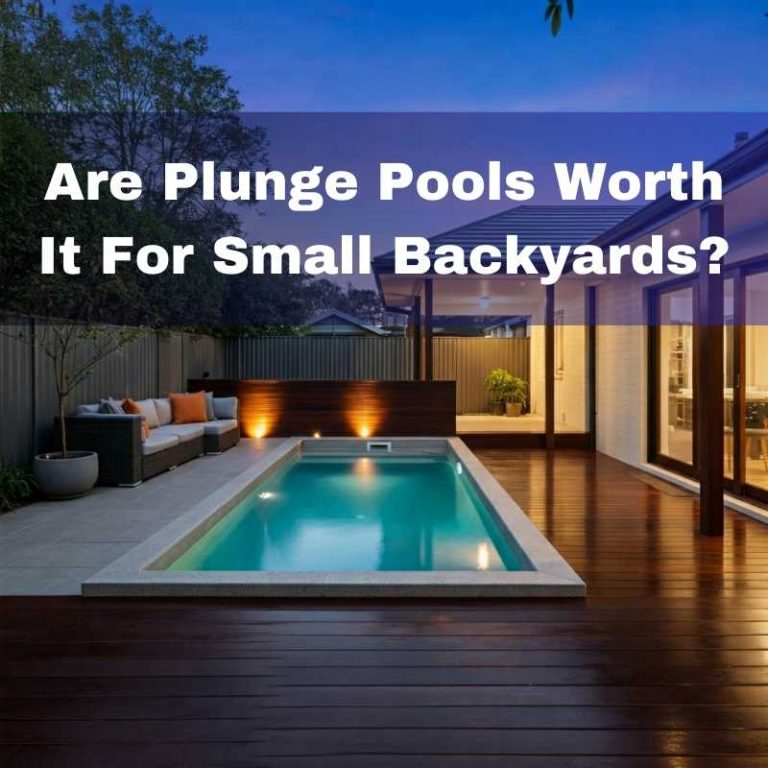
For homeowners seeking a smaller plunge pool that fits limited space and tight access, precast solutions provide a practical alternative to traditional builds provided installation is handled correctly.
Why Precast Plunge Pools Exist
Precast plunge pools exist because modern Perth homes have smaller blocks, tighter access, and less tolerance for long, disruptive construction.
They solve three common problems:
- Small blocks
They fit into courtyards, narrow yards, and infill sites without taking over the space. - Time limits
Factory-made shells allow quick installation once approvals are complete. - Cost certainty
Most structural costs are known early, reducing budget surprises.
Because pools often require ongoing energy and water use, plunge pools appeal to homeowners wanting pools that save water, power, and long-term running costs. In Perth’s hot, dry climate, this efficiency matters.
How Precast Plunge Pools Are Engineered
A precast plunge pool stays strong because the forces acting on it are carefully balanced and controlled through engineering.
- Water pushes outward
- Soil pushes inward
- Gravity pushes downward
Good engineering keeps these forces under control.
Key engineering features include:
- A monolithic precast shell (floor and walls act as one piece)
- 40–50 MPa reinforced concrete for strength and durability
- Steel reinforcement to control cracking
- A flat, compacted base to spread weight evenly
- Drainage and hydrostatic relief to manage groundwater
Dense concrete also helps retain heat, which suits Perth’s warm days and cooler nights.
When base preparation, drainage, and reinforcement work together, the pool stays level and stable for decades.
When shell design, reinforcement, base preparation, and drainage work together, a precast plunge pool remains level, structurally sound, and watertight for decades. This is why engineering quality matters as much as size or appearance when choosing a precast plunge pool in Perth.
How Precast Plunge Pools Are Manufactured
Precast plunge pools are manufactured in controlled factory environments so quality, strength, and consistency are built in from the very start.
The manufacturing process:
- A steel mould sets the pool’s shape and size
- Steel reinforcement is placed inside
- High-strength concrete is poured and compacted
- The shell cures in controlled conditions
- Waterproofing is applied
- The pool is inspected before delivery
Because curing and waterproofing happen indoors, the concrete gains strength evenly and is less likely to crack.
By the time a precast plunge pool arrives at your Perth property, its structure, strength, and durability are already established. On-site work focuses on installation and connection, not structural creation. This is why factory manufacturing plays such a critical role in the long-term reliability of precast plunge pools.
Shapes, Sizes and Depths: Design Considerations for Perth Backyards
Most precast plunge pools are rectangular and designed for tight spaces.
Typical sizes in Perth:
- Length: 2.5 – 4.5 metres
- Width: 2 – 3 metres
- Depth: 1.2 – 1.5 metres
These dimensions allow for full-body immersion, effective cooling during hot Perth summers, and light exercise such as wading, resistance movement, or gentle laps with tether systems. The depth range is deliberate. Pools under 1.2 metres can feel shallow for adults, while depths over 1.5 metres increase excavation, engineering requirements, and compliance obligations without adding meaningful everyday benefit for most households.
Common shapes and Their Practical Uses:
- Rectangular: Rectangular designs are the most common and the most space-efficient. Straight edges sit neatly against boundaries, retaining walls, or decking, making them ideal for narrow blocks and modern backyard layouts. Rectangular plunge pools also integrate easily with automated covers, bench seating, and lap attachments.
- Square:Square pools are popular in courtyards and compact outdoor rooms where symmetry matters. They suit entertaining areas and pair well with built-in seating or surrounding paving. While slightly less flexible than rectangular pools, square plunge pools work well where space is evenly proportioned.
- Round or curved: Curved and round precast plunge pools are less common in Perth because they require more clearance around the shell. Their softer shape can suit landscaping-led designs, but they are generally harder to position on tight sites and may reduce usable swim space compared to rectangular options of a similar footprint.
When choosing size, allow space for fencing, access, and maintenance. A smaller pool that fits properly usually performs better than a larger one forced into the space.
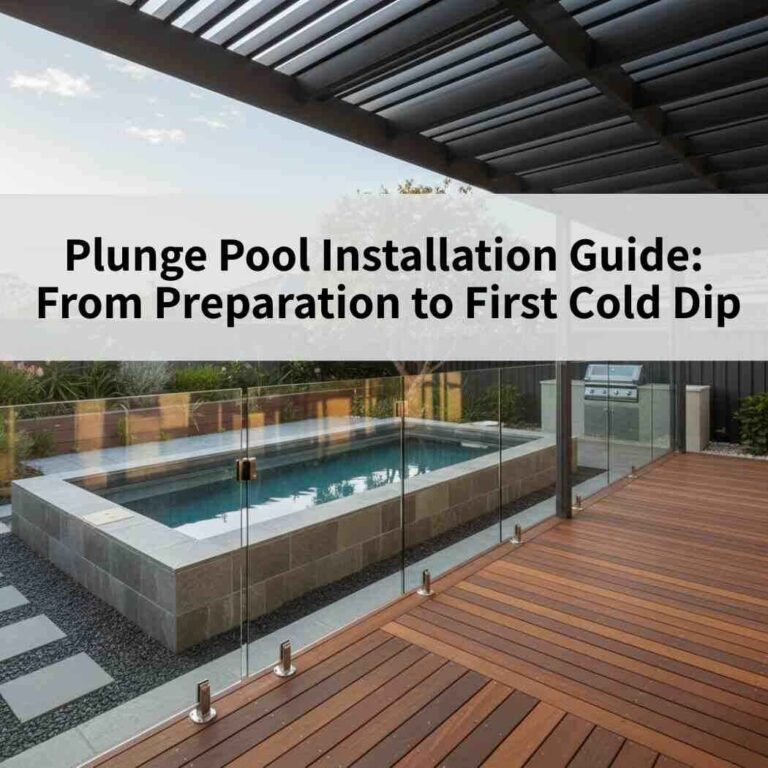
Installation Styles for Precast Plunge Pools in Perth
A precast plunge pool can be installed in three main ways.
In-ground
- Fully buried
- Clean, built-in look
- Requires very accurate excavation and base prep
Above-ground
- Sits fully above natural ground
- Less excavation
- Needs cladding or decking for a finished look
Semi-in-ground
- Partly buried
- Ideal for sloping Perth blocks
- Needs careful drainage planning
No matter the style, the pool must be evenly supported from underneath.
Site Suitability and Pre-Installation Assessment
Most long-term problems with plunge pools do not start with the pool shell. They start with the ground it sits on. In Perth, where soil conditions vary widely and seasonal groundwater can rise unexpectedly, a proper site suitability and pre-installation assessment is one of the most important steps in a successful precast plunge pool installation.
Key site checks in Perth include:
- Soil type: sand drains well, clay moves with moisture
- Groundwater: rising water can push up on the pool
- Drainage: trapped water increases soil pressure
- Access: crane reach, power lines, and boundaries
Skipping these checks can lead to cracking, movement, or plumbing damage over time.
A proper site assessment greatly reduces long-term risk.

Plumbing, Electrical and Pool Systems
A plunge pool stays clean, clear, and safe because its systems work together continuously. While the concrete shell provides structure, it is the plumbing, electrical, and circulation systems that keep the water healthy and usable year-round. In Perth’s dusty climate and warm summers, correct system selection and installation are essential for long-term performance.
Core systems include:
- Pump: The pump is the heart of the plunge pool system. Its job is to move water through the filter and back into the pool at the correct flow rate.
- Filter: The filter removes dirt, dust, leaves, and fine particles from the water. In Perth, cartridge filters are especially popular for plunge pools.
- Returns: Return jets send filtered water back into the pool. Their placement determines how evenly clean water is distributed.
- Lights: Pool lights improve both safety and usability, especially for evening and night swimming. In Perth, where outdoor living often extends into the evening, lighting is a practical feature rather than a luxury.
Cartridge filters are common in Perth because they handle dust well and are easy to clean.
One of the major advantages of plunge pools is heating efficiency. Smaller water volumes mean less energy is required to raise and maintain water temperature.
All electrical work for plunge pools must comply with Australian Standards and local regulations. This includes pool pumps, lights, heaters, and control systems.
Design and Customisation Options
Although a precast plunge pool arrives as a factory-made concrete shell, the final look, feel, and performance of the pool is highly customisable. For Perth homeowners, design choices are not only about appearance. They directly affect durability, comfort, maintenance, and how well the pool performs in Western Australia’s hot, dry climate.
A well-designed plunge pool should balance aesthetics with long-term practicality. Finishes, fittings, and features must cope with strong UV exposure, warm summer water temperatures, and regular chemical treatment without fading, cracking, or becoming difficult to maintain.
Common options:
Interior Finishes for Precast Plunge Pools
The interior finish defines how the pool looks, how it feels underfoot, and how it holds up over time. Common interior finish options for precast plunge pools in Perth include:
Tiles
Tiles offer the highest level of visual customisation. Colours, patterns, and waterline details can be tailored to match modern homes, coastal designs, or minimalist landscapes. Quality pool-grade tiles handle chemicals well and resist staining, but grout lines require ongoing cleaning. In Perth’s heat, lighter tile colours are often chosen to reduce heat absorption and keep water temperatures comfortable.
Pebblecrete and Aggregate Finishes
Exposed aggregate finishes such as pebblecrete are popular in Perth plunge pools because they are durable, slip-resistant, and forgiving in high-use pools. They hide minor marks and wear better than smooth finishes. Texture can be adjusted depending on comfort preferences, and colour blends can complement limestone paving and native landscaping common in Western Australian backyards.
Polished or Rendered Concrete Finishes
Polished concrete or smooth rendered interiors create a clean, contemporary look. These finishes suit architectural homes and compact courtyards. While visually striking, they require precise chemical balance to prevent surface etching or discolouration. When installed and maintained correctly, they perform well in Perth’s climate, especially with simple colour palettes.
Coping and Pool Edge Options
Coping frames the plunge pool and connects it visually to the surrounding landscape. It also plays a functional role in safety, comfort, and heat control.
Natural Stone Coping
Stone coping is widely used in Perth due to its natural look and ability to stay cooler under direct sun. Materials such as limestone or travertine blend well with local architecture and outdoor living areas. Proper sealing is essential to protect against salt, chlorine, and sun exposure.
Concrete Coping
Concrete coping offers flexibility in shape and finish. It can be honed, exposed, or smooth, allowing it to match surrounding hardscaping. Concrete coping is durable and cost-effective but should be finished with non-slip textures to suit wet areas.
Porcelain Coping
Porcelain coping is increasingly popular for modern plunge pool designs. It is dense, UV-stable, resistant to chemicals, and easy to clean. In Perth’s climate, light-coloured porcelain helps reduce surface heat while maintaining a sharp, contemporary appearance.
Built-In Seating and Internal Features
Built-in seating transforms a plunge pool from a simple cooling pool into a functional relaxation space. Because plunge pools are compact, seating must be carefully planned to avoid reducing usable water space.
Common seating options include:
- Full-width bench seats along one wall
- Corner seating for conversation areas
- Entry step seating that doubles as a resting ledge
These features improve usability for families, older users, and anyone who prefers soaking rather than swimming. In Perth homes where plunge pools are often used year-round, seating adds real lifestyle value.
Underwater Lighting Options
Underwater lighting extends the usability of a plunge pool into the evening and improves safety after dark. LED pool lights are the standard choice for Perth plunge pools due to their energy efficiency and long lifespan.
Lighting options include:
- Single or dual LED lights for compact pools
- Warm or cool white lighting for a natural look
- Low-glare placement to avoid harsh reflections
Well-planned lighting enhances landscaping, creates ambience, and allows night-time swimming without excessive power consumption.
Water Jets and Hydrotherapy Features
Gentle water jets can be added to precast plunge pools to create a spa-like experience. These features are particularly popular in Perth, where homeowners want a relaxation pool rather than a lap pool.
Water jets can:
- Improve circulation in small pools
- Provide light hydrotherapy for muscles and joints
- Enhance comfort during cooler evenings
Jet systems should be designed specifically for plunge pool volumes to avoid excessive turbulence or unnecessary energy use.
Designing for Perth’s Climate and Long-Term Performance
Perth’s climate places unique demands on plunge pool finishes and features. Intense sun, high UV levels, warm water temperatures, and chemical exposure can accelerate wear if materials are poorly chosen.
Key design considerations include:
- UV-stable finishes to prevent fading
- Heat-resistant coping and surfaces
- Simple, clean designs that are easier to maintain
- Durable materials that tolerate chemical fluctuations
In many cases, simpler designs with fewer decorative elements last longer and cost less to maintain over time. Smooth transitions, minimal grout lines, and practical material choices reduce long-term upkeep while keeping the pool looking good for years.
Balancing Customisation, Cost, and Maintenance
While customisation allows homeowners to personalise their plunge pool, every design choice affects budget and maintenance. Highly detailed finishes and complex features may look impressive initially but can increase long-term cleaning and repair costs.
For Perth homeowners, the best results come from:
- Choosing finishes proven in local conditions
- Prioritising durability over trends
- Designing with maintenance access in mind
- Matching features to actual usage, not just appearance
A well-planned precast plunge pool combines custom finishes with practical design, creating a pool that suits Perth’s lifestyle, climate, and long-term expectations.
Landscaping Integration
Landscaping plays a critical role in how a plunge pool performs over time. In Perth, where sandy soils, seasonal rainfall, and hot summers are common, poor landscaping can create long-term structural and maintenance problems around a precast plunge pool. Good landscaping design does not just improve appearance. It protects the pool shell, stabilises the surrounding ground, and reduces ongoing issues such as movement, cracking, and drainage failures.
Good landscaping:
Managing Water Flow and Drainage
One of the most important landscaping principles around a plunge pool is directing water away from the pool shell. Excess surface water or trapped moisture around the pool increases soil pressure and can lead to ground movement over time.
Effective landscaping solutions include:
- Grading the ground so water flows away from the pool edge
- Installing subsoil drainage where runoff collects
- Avoiding garden beds that trap water against the pool walls
- Using drainage gravel zones around the shell where required
In Perth’s climate, heavy winter rain combined with free-draining sand can still cause problems if water is allowed to pond near the pool. Good drainage reduces hydrostatic pressure and helps the pool remain level and stable for decades.
Plant Selection and Root Management
Plant choice has a direct impact on plunge pool longevity. Large trees and aggressive root systems can interfere with pool structures, plumbing, and surrounding paving.
Best practice landscaping around plunge pools in Perth includes:
- Keeping large trees well clear of the pool zone
- Avoiding plants with invasive root systems
- Choosing shallow-rooted shrubs or ornamental grasses
- Using raised planters positioned away from the pool shell
Roots searching for moisture can disturb compacted soil and compromise drainage systems. Smaller, controlled planting schemes reduce this risk while keeping the area visually appealing.
Permeable Surfaces Around the Pool
Hard surfaces around plunge pools must balance appearance, safety, and drainage. Impermeable paving can trap water and increase pressure on surrounding soil if not designed correctly.
Permeable landscaping options include:
- Gravel or crushed stone zones near the pool shell
- Permeable pavers that allow water to drain through
- Spaced stone steppers set in free-draining material
These solutions allow water to move naturally into the ground instead of collecting around the pool. In Perth plunge pool installations, permeable finishes are often preferred near the shell, with solid paving set further away where drainage has already been managed.
Controlling Leaf Litter and Organic Debris
Leaf litter is one of the most common maintenance issues for plunge pools, especially in suburban Perth backyards. Leaves, pollen, and organic debris not only dirty the pool but also feed algae growth and block skimmers and filters.
Good landscaping design helps limit this by:
- Reducing overhanging trees above the pool
- Positioning plants away from prevailing wind paths
- Selecting low-shedding plants near the pool area
- Using clean edging details instead of soil-heavy garden beds
Less debris means clearer water, lower chemical demand, and reduced strain on pool equipment.
Avoiding Water-Holding Garden Beds
Garden beds built directly against a plunge pool can create serious long-term problems if they retain moisture. Constantly wet soil increases soil movement and pressure against the pool shell.
To reduce risk:
- Keep garden beds separated from the pool structure
- Use retaining walls with proper drainage
- Avoid irrigated planting zones next to pool walls
- Ensure any nearby garden areas drain freely
In Perth, even well-built precast plunge pools rely on stable surrounding ground. Poor landscaping can undermine that stability over time.
Fencing and Visual Space in Small Perth Yards
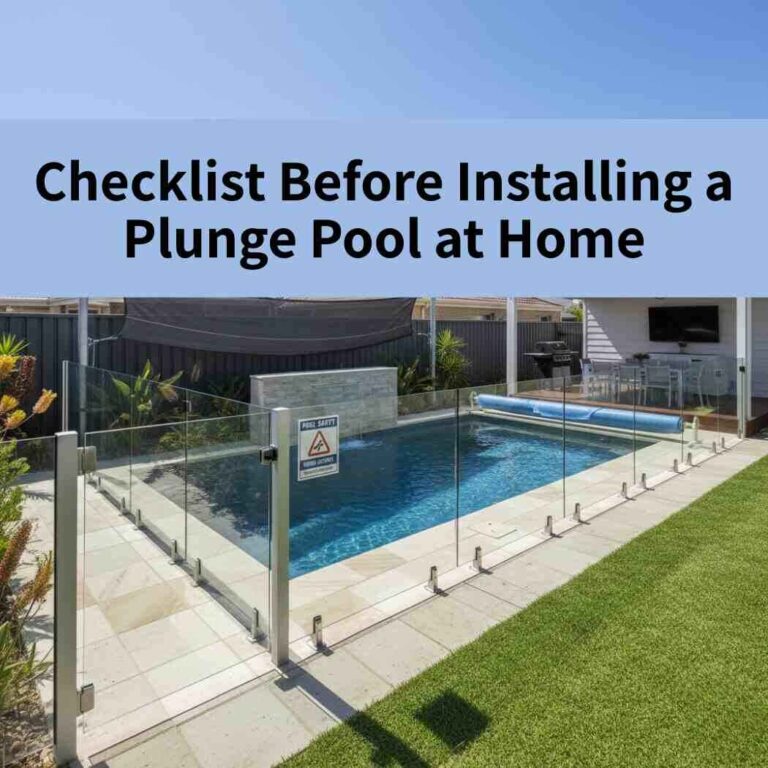
In compact Perth backyards, fencing choices significantly affect how open the space feels. Glass pool fencing is a popular option for plunge pools because it maintains safety compliance without blocking light or views.
Benefits of glass fencing include:
- Improved visual space in small courtyards
- Better natural light around the pool
- Clear sightlines for safety and supervision
- Modern appearance that suits contemporary homes
When combined with thoughtful landscaping, glass fencing helps plunge pools feel integrated rather than boxed in, which is especially important on tight urban sites.
Landscaping as Part of Long-Term Pool Performance
Well-designed landscaping supports the structural performance of a precast plunge pool just as much as good engineering and installation. In Perth conditions, landscaping should always prioritise drainage, soil stability, and ease of maintenance over dense planting or decorative complexity.
The most successful plunge pool landscapes:
- Manage water flow effectively
- Minimise root and soil movement risks
- Reduce debris entering the pool
- Enhance usability without increasing maintenance
By integrating landscaping correctly from the start, Perth homeowners can protect their plunge pool investment, reduce long-term costs, and enjoy a cleaner, more stable pool environment year after year.
What Does a Precast Plunge Pool Cost in Australia? A Full Cost Breakdown
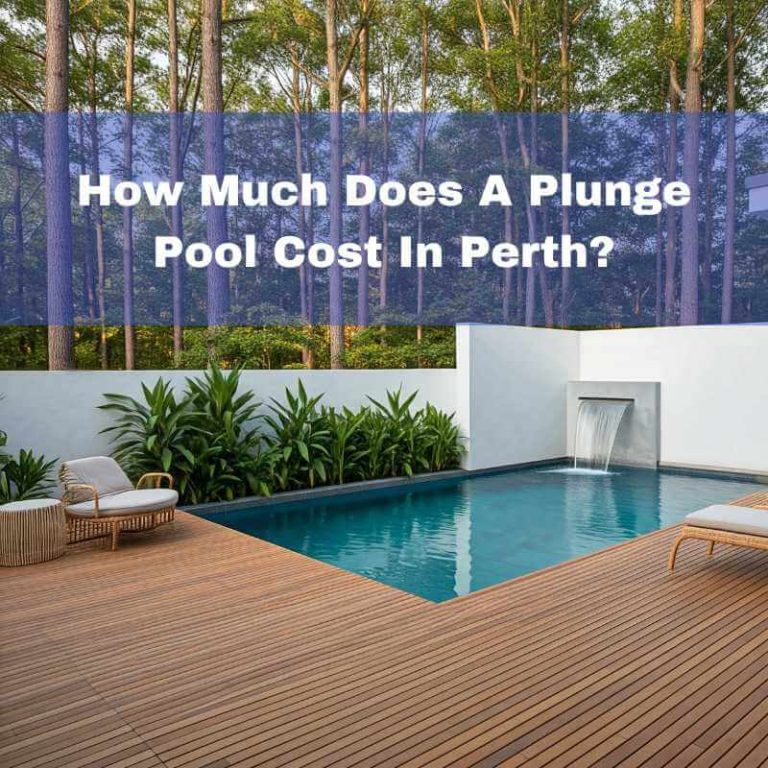
A precast plunge pool in Australia typically costs more upfront than some DIY or liner pools, but it offers strong cost certainty, faster installation, and fewer budget blow-outs. Instead of paying for weeks of on-site construction, most costs are known early and locked in.
Full Cost Breakdown of a Precast Plunge Pool in Australia
When budgeting for a precast concrete plunge pool, it helps to understand where the money actually goes. The total price is not just the pool shell. It is a complete system that includes engineering, installation, and compliance.
1. Precast Pool Shell
The pool shell is the largest single cost. It is factory-made from reinforced concrete and delivered as one solid structure.
Costs vary based on:
- Pool size and depth
- Wall thickness and reinforcement
- Internal finish readiness (tiled, pebblecrete-ready, or raw concrete)
Because the shell is manufactured in controlled conditions, quality is consistent and defects are reduced, which protects long-term value.
2. Delivery and Crane Hire
Most precast plunge pools require a crane to lift the shell into position.
Pricing depends on:
- Distance from factory to site
- Crane size and lift duration
- Site access and overhead obstacles
Restricted urban access or long crane reaches can increase costs, especially in tight backyards or inner-city blocks.
3. Excavation and Base Preparation
Ground preparation is critical for long-term performance.
This cost covers:
- Excavation to correct depth
- Removal of spoil
- Compacted crushed rock or concrete base
- Drainage and hydrostatic relief where needed
Poor base preparation is one of the most common causes of pool movement and cracking, so this is not an area to cut corners.
4. Installation, Plumbing, and Electrical
Once the shell is placed, the pool must be connected and commissioned.
This includes:
- Plumbing for filtration and circulation
- Electrical wiring for pumps, lights, and heaters
- System testing and startup
Because plunge pools hold less water, equipment is usually smaller and more energy-efficient than for full-size pools.
5. Fencing, Inspections, and Certification
All plunge pools in Australia must comply with pool safety regulations.
These costs cover:
- Pool fencing and self-closing gates
- Mandatory inspections
- Compliance certificates and approvals
Regulatory requirements vary by state and council, but they are unavoidable and must be factored into the total budget.
Optional Extras That Affect Final Price
Optional upgrades can significantly change the final cost of a precast plunge pool, depending on how far you want to go.
Common extras include:
- Heating systems (heat pumps or solar)
- Pool covers for heat retention and debris control
- LED or feature lighting upgrades
- Decking, paving, or retaining walls
- Landscaping integration around the pool
While optional, many of these additions improve usability, energy efficiency, and long-term enjoyment.
Ongoing Running Costs Compared to Large Pools
One of the biggest advantages of a plunge pool is lower ongoing ownership cost.
Because plunge pools:
- Use less water
- Require smaller pumps and filters
- Need fewer chemicals
- Heat faster and retain heat better
They are generally cheaper to run than large concrete or fibreglass pools, especially in Australian climates where evaporation and heating costs add up over time.
Why Precast Plunge Pools Offer Better Cost Certainty
A precast plunge pool is not always the cheapest option upfront, but it is often the most predictable.
Factory manufacturing, short installation timelines, and reduced weather delays mean fewer surprise costs during construction.
For homeowners wanting a durable concrete pool, fast installation, and controlled pricing, a precast plunge pool offers strong long-term value across Australia.
Precast vs Fibreglass vs Custom Concrete Pools
Each pool type suits different sites.
Precast Concrete Plunge Pool
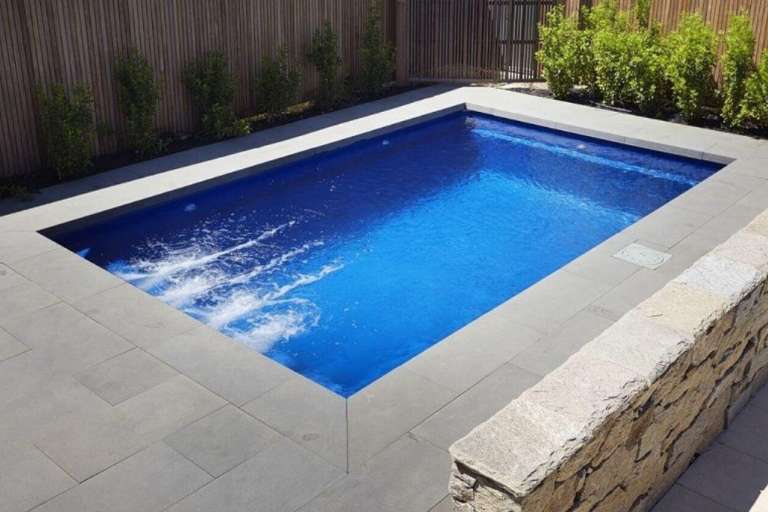
- Heavy and stable
- Handles Perth soil movement well
- Predictable build time and cost
Fibreglass Plunge Pool

- Lightweight and fast to install
- Needs stable soil and perfect backfill
Custom Concrete Pool
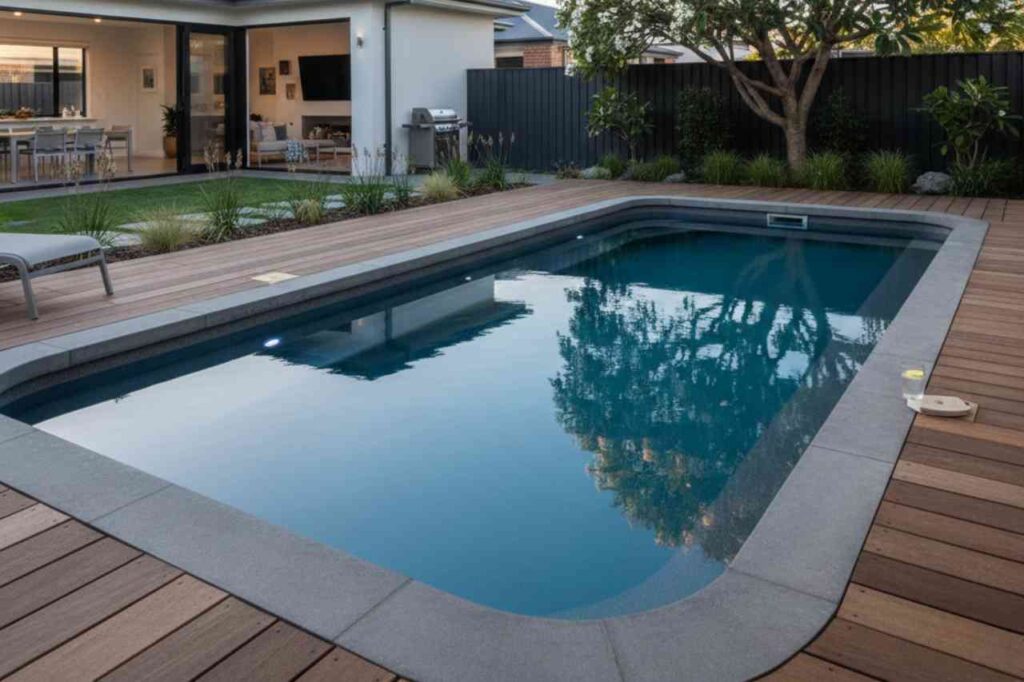
- Full design freedom
- Long build time
- Higher cost uncertainty
For small pools, precast concrete often provides the best balance of strength and certainty.
What Are the Common Problems and Failure Modes of Precast Plunge Pools?
Most problems with precast plunge pools are caused by ground conditions and poor drainage, not the pool shell itself. When site preparation, compaction, and water management are done correctly, structural failures are rare and usually develop slowly rather than suddenly.
Common risks include:
- Hydrostatic uplift from groundwater
- Uneven settlement from poor compaction
- Plumbing stress from forced connections
- Trapped water around the shell
- Non-engineered tanks or containers
These issues usually appear slowly. When installation is done properly, failures are rare.
Why Most Failures Develop Slowly
Unlike sudden construction defects, most precast plunge pool problems appear gradually. Small movements, slow leaks, or drainage issues often take months or years to become visible. This makes early site assessment and proper installation critical.
How to Reduce the Risk of Precast Plunge Pool Problems
The best way to avoid failure is to address risk before installation. This includes:
- Detailed soil and groundwater assessment
- Engineered base and drainage design
- Correct crane placement and handling
- Licensed plumbing and electrical work
- Compliance inspections at each stage
When these steps are followed, a precast plunge pool can remain level, watertight, and structurally sound for decades in Australian conditions.
Compliance, Permits and Safety
In Perth, any pool deeper than 300 mm is a regulated swimming pool.
This means:
- Council approval is required
- Pool fencing must meet AS1926.1
- Final inspection and certification are mandatory
These rules apply to all plunge pools, regardless of size.
Real-World Use Cases for Precast Plunge Pools
Precast plunge pools work well in:
- Courtyards
- Sloping blocks
- Narrow or infill sites
- Rental properties
- Homes with limited access
They succeed because they match real-world constraints.
How Do You Choose the Right Precast Plunge Pool Company in Perth?
Choosing the right precast plunge pool company is just as important as choosing the pool itself. A well-engineered pool can still fail if the installer ignores site conditions, drainage, or compliance. In Perth, local knowledge makes a measurable difference to long-term performance.
What a Good Precast Plunge Pool Installer Should Do
A reputable installer focuses on suitability, planning, and risk control, not just speed or price.
- Understands Perth soil conditions
- Plans crane access early
- Explains drainage and base prep clearly
- Provides realistic warranties
Red Flags When Choosing a Precast Plunge Pool Company
Certain warning signs often indicate higher long-term risk:
- Site checks skipped or done remotely only
- Drainage dismissed as “not needed”
- Permits or inspections treated as optional
- Pressure to rush installation
- Suggested shortcuts to reduce upfront cost
These issues often lead to slow-developing problems that are expensive to fix later.
Why Local Experience Matters in Perth
Perth’s climate, sandy soils, and groundwater patterns are different from other Australian cities.
Installers without local experience may underestimate:
- Hydrostatic pressure risks
- Soil movement after heavy rain
- Drainage requirements around the shell
Local knowledge helps prevent problems before they start.
At Plunge Pools Perth, we focus on site suitability, safety, and long-term performance, not just installation speed. Our process prioritises correct ground preparation, clear communication, and compliance at every stage, so your precast plunge pool performs reliably for years in Perth conditions.
Is a Precast Plunge Pool Right for You?
A precast plunge pool is a good choice if:
- Your yard is small
- Access is tight
- You want fast installation
- You want cost certainty
It may not suit if:
- Crane access is impossible
- You need a large swimming pool
- You want a fully custom shape
The right pool fits the site, budget, and lifestyle.
Conclusion
Precast plunge pools are built for certainty. They are made in a factory, installed in a short time, and designed to work in small Perth backyards where space, access, and soil conditions matter. When planned correctly, they offer a strong structure, predictable cost, and lower ongoing maintenance compared to larger pools.
At Plunge Pools Perth, we provide site assessments, design advice, installation coordination, and compliance support tailored to Perth conditions. Our service is focused on clarity, safety, and long-term performance.
Contact Plunge Pools Perth to discuss your property and next steps. A short conversation now can save time, cost, and uncertainty later.
FAQs
1. Is a precast plunge pool suitable for my Perth backyard?
Yes, a precast plunge pool is suitable for many Perth backyards, especially small or access-restricted sites. Because the pool is factory-made and craned into place, it works well on narrow blocks, courtyards, and sloping land when soil and access are assessed early.
2. How much does a precast plunge pool cost in Perth, fully installed?
A fully installed precast plunge pool in Perth typically costs more than the shell alone but offers clear price certainty. Total cost includes the pool shell, delivery, crane hire, excavation, installation, plumbing, electrical work, fencing, and certification, with fewer surprises than custom builds.
3. Is precast concrete better than fibreglass for Perth soil conditions?
Yes, precast concrete is often better suited to Perth soil conditions. Its weight and reinforcement help resist ground movement and groundwater pressure, especially in reactive or variable soils, while fibreglass relies more heavily on perfect backfilling and stable ground support.
4. Do I need council approval and fencing for a precast plunge pool in Perth?
Yes, council approval and compliant pool fencing are required in Perth once water depth exceeds 300 millimetres. Even small plunge pools must meet Australian safety standards, including AS1926.1, with inspection and certification before legal use.
5. How long does it take to install a precast plunge pool from start to finish?
Installation of a precast plunge pool is usually much faster than traditional pools. Once approvals are in place, excavation, delivery, placement, and connection can often be completed within days, not months, depending on site conditions and access.